Roadmap to the Rarified Product

Strategy
Global Trend Forecasting
Innovation / Research
Road Map / Advisory Role
Defining what the company stands for and why customers should choose them over competitors. Creating long-term roadmaps for growth, mergers, or rebrands to ensure consistency. Ensuring all internal teams—marketing, sales, and product—are aligned with the core brand mission.
Conducting audits, researching competitors, and analyzing consumer behavior to guide decisions. The main goals are to empathize with users, validate assumptions, reduce development risk, and ensure the design solves a real problem.

Design
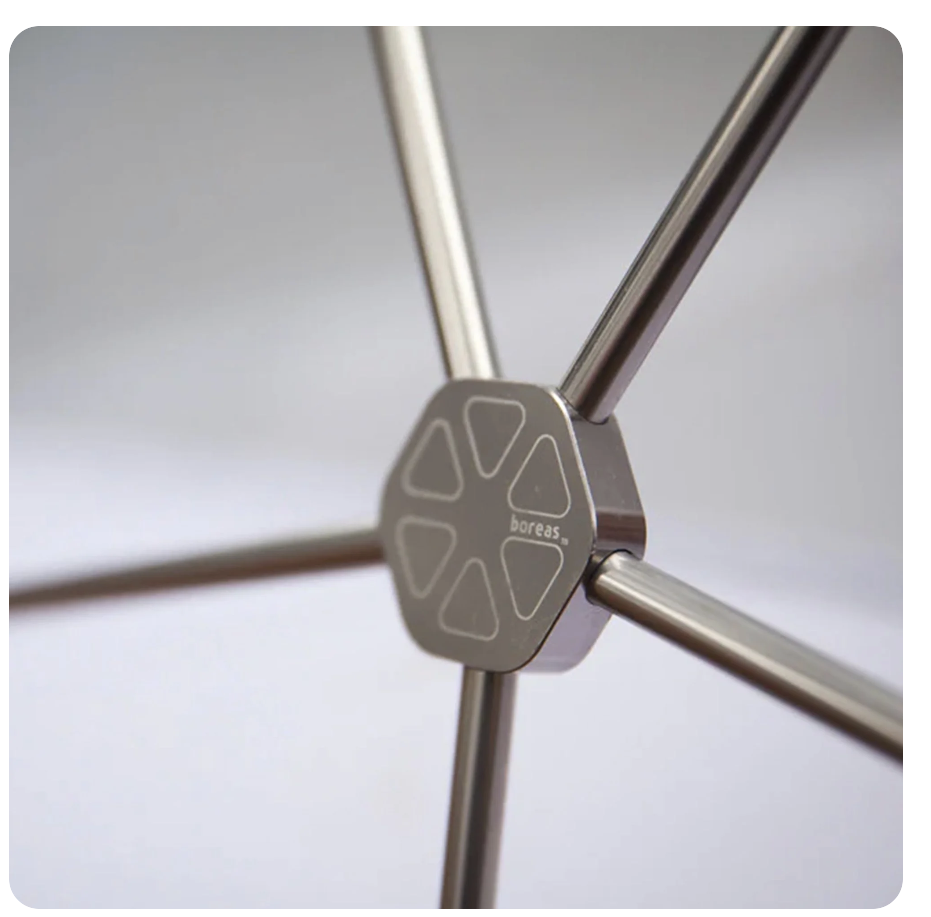
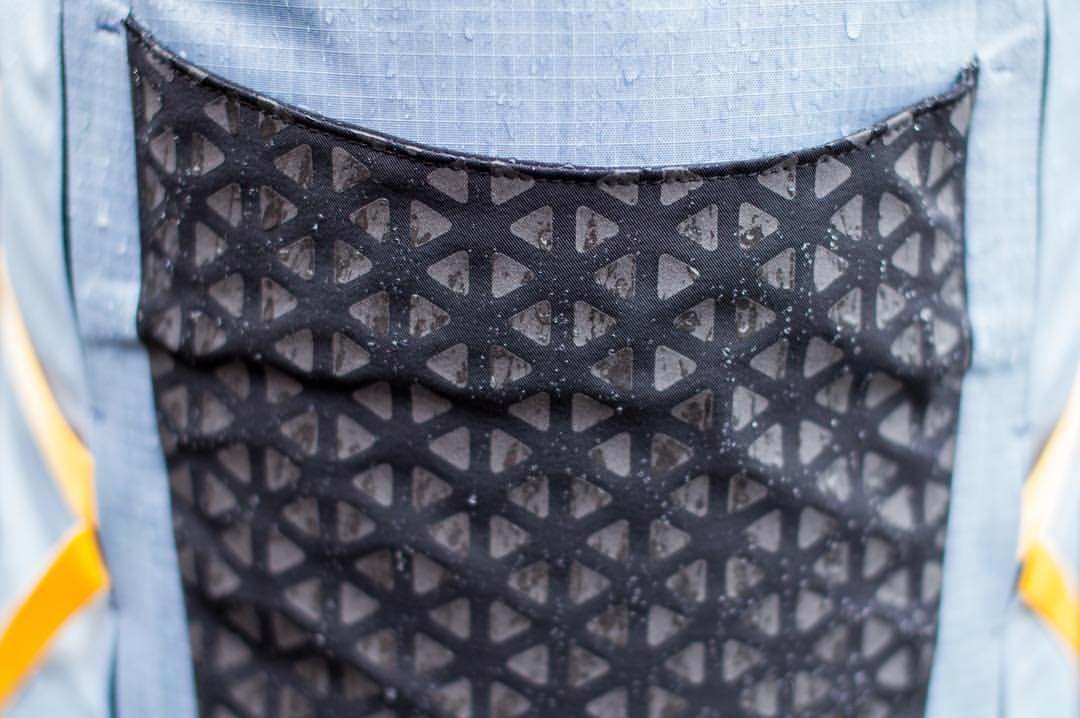
Soft Good/Hard Goods Hybridization
Humanistic Designs
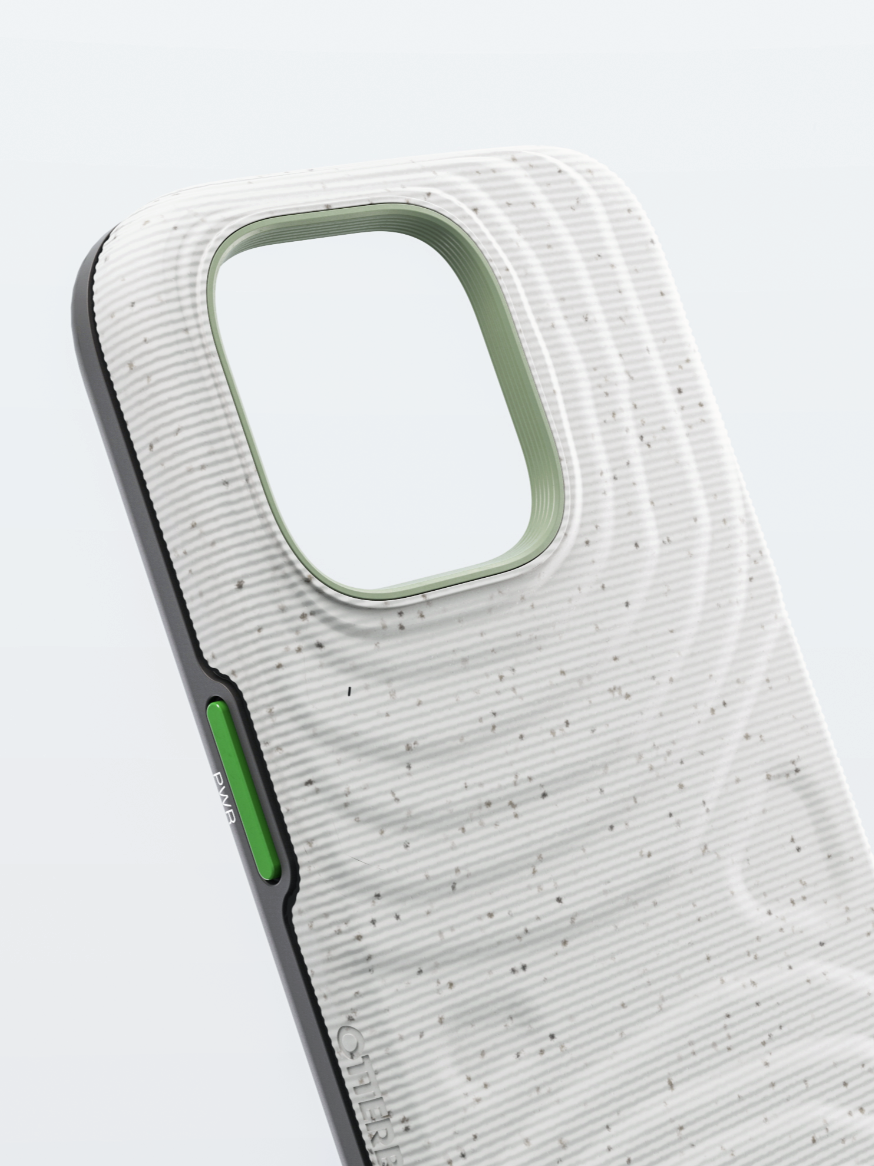
CMF (color material finish) Strategy
Humanistic Design is Empathy and Emotion Focuses on how a space or product makes someone feel, aiming to create meaningful, nurturing experiences. Well-being and Nature, Promotes physical and mental health through, for example, biophilic elements, natural light, and comfortable, intuitive layouts.
Accessibility and Inclusivity Ensures design is accessible and beneficial to people with diverse capabilities. Authenticity and Purpose connects with people on an emotional level through authentic, consistent, and purposeful design, often aimed at positive impact rather than just consumerism.
Development
Material Science
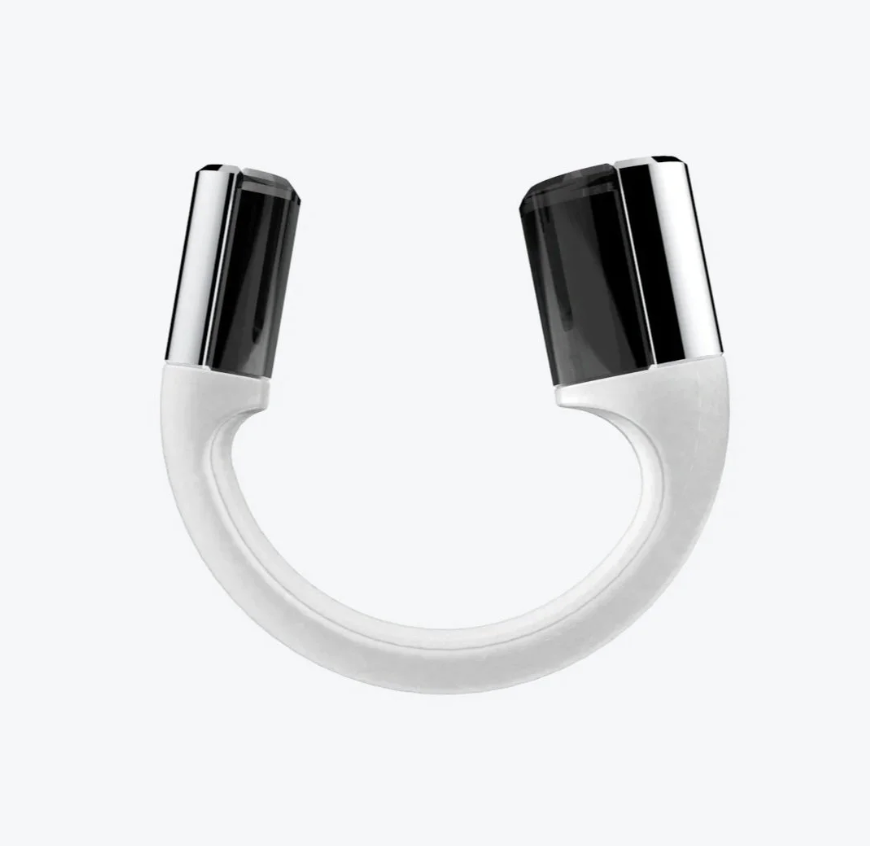
Advanced Prototype Development
DMF (design for manufacturing)
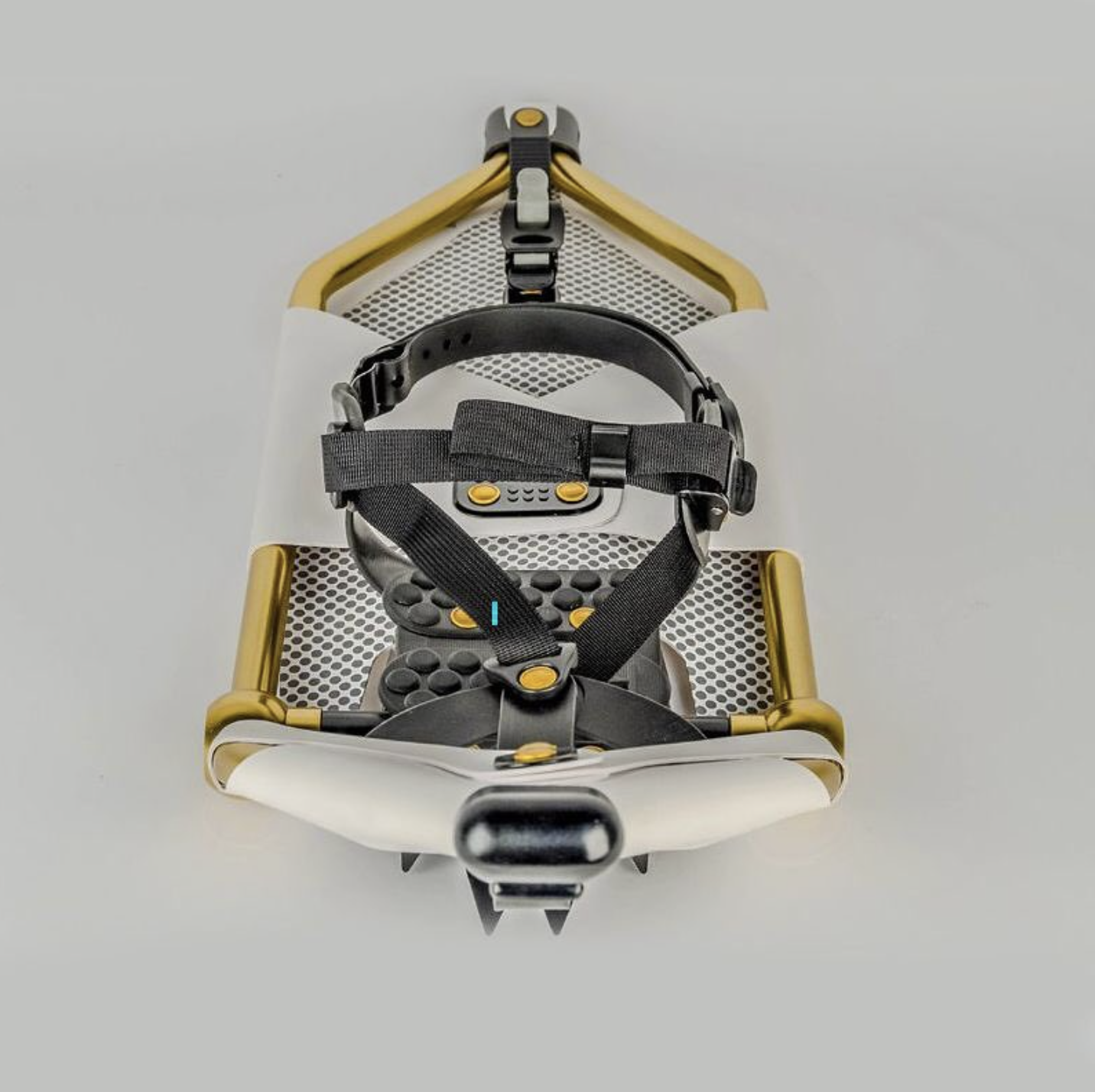
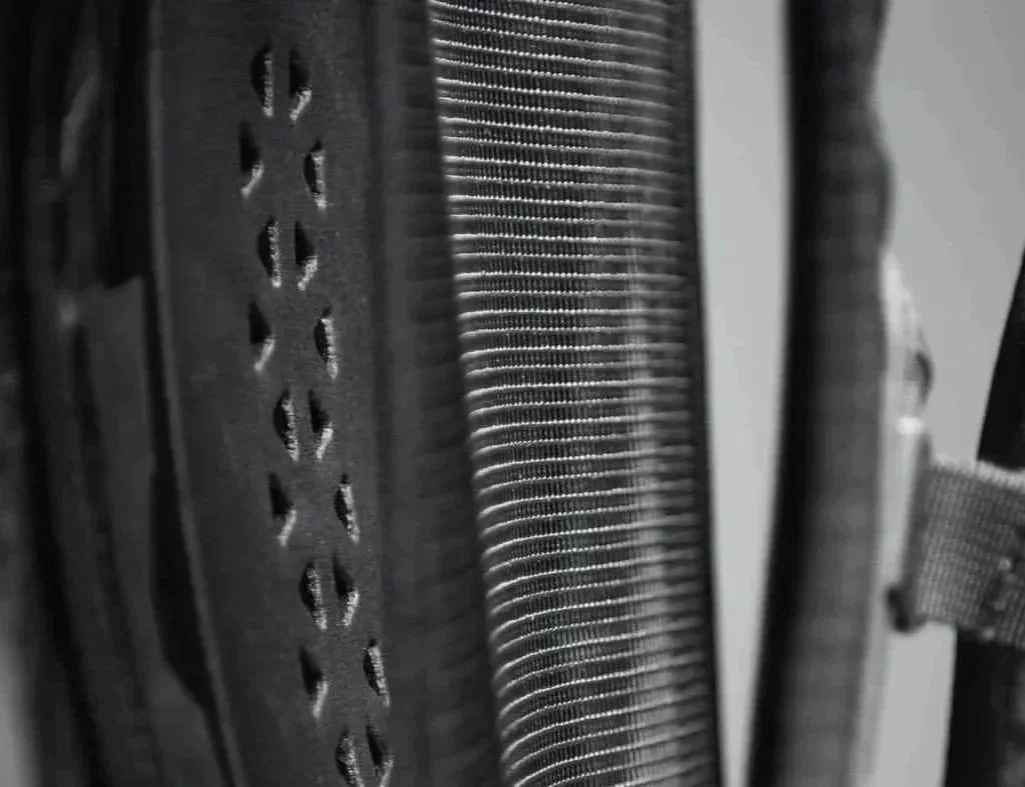
We don’t just select materials—we choreograph their interaction. Hard meets soft, rigid meets flexible, conductive meets textile. We map tactile, thermal, and structural properties to human physiology and device behavior, ensuring every surface and seam serves both function and feel.
We prototype at the intersection. Electronics seat into molded shells; fabrics wrap around sensors; cables route through seams. Our iterative builds test both the snap of a button and the drape of a strap—because in hybrid design, the interface between hard and soft is the product.
Manufacturing
Accelerated development
Strategic Factory Positioning
Ethical Sourcing
The core philosophy of designing parts, components, or products for ease of manufacturing to achieve the highest quality at the lowest cost. Design for Assembly is a subset of DFM focusing on reducing the number of parts and simplifying the assembly process to reduce labor costs and time.
Determining the best fabrication techniques, such as injection molding, CNC machining, casting, or 3D printing, based on volume and complexity. Developing detailed Computer-Aided Design (CAD) files, technical drawings, material specs, and bills of materials (BOM) to guide manufacturers.
Delivery
Production Planning
Logistics Strategy
Import Solutions
Completion means more than a final prototype. We deliver manufacturing-ready documentation for hybrid assembly, including joining methods, overmolding sequences, textile-to-plastic bonding specifications, and supplier handoffs. Your idea leaves us with a repeatable, scalable reality.
Import solutions for factory-to-consumer products focus on bypassing traditional intermediaries to reduce costs, improve margins, and increase speed-to-market. Effective strategies involve leveraging bonded warehouses, automated compliance tools, and cross-docking to manage inventory efficiently.